
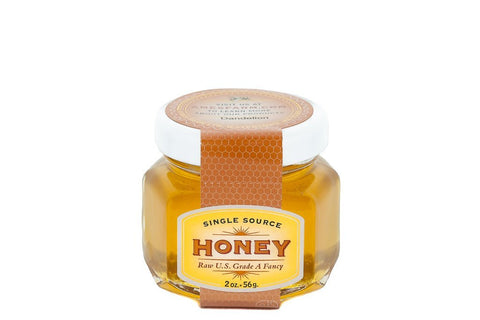
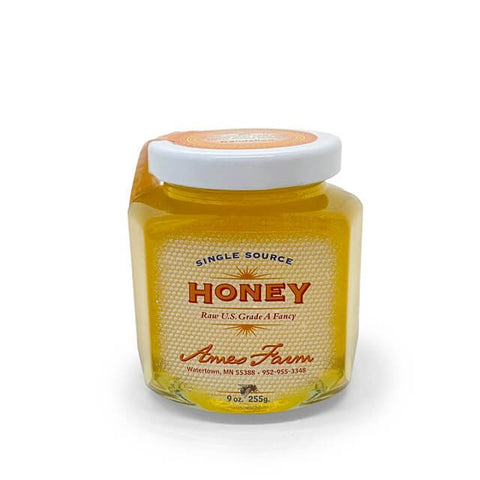
Fall Asters Honey
Discover One of Minnesota’s Rarest Seasonal Honeys
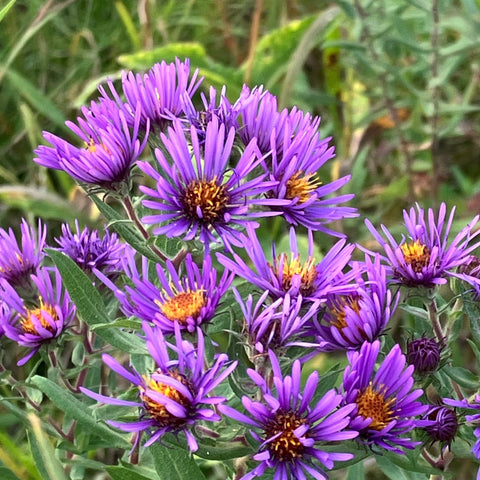
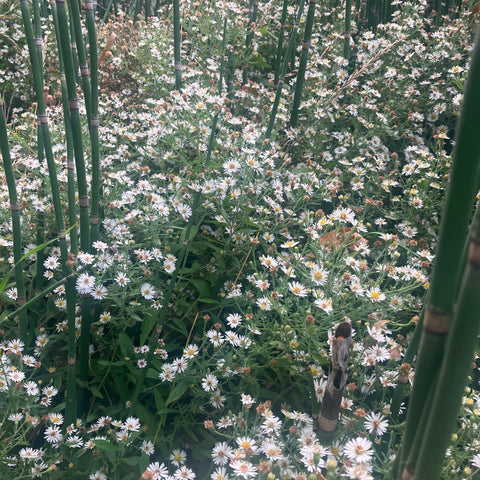
The Asteraceae family contains many species of flowers that are attractive to honeybees for their pollen or nectar. In Minnesota, only the Fall Aster species reliably produce a honey crop, blooming late in the season and often signaling the end of the honeybee season. Because suitable weather conditions for Fall Aster nectar flows are uncommon in Minnesota, quantities of this rare fall honey are very limited.
The honey tastes tangy with a fruity finish and pairs especially well with aged cheddar cheese and savory foods.
What Makes Fall Aster Honey Unique
- Rare late-season honey harvested from Minnesota Fall Aster blooms
- Produced during the final nectar flow of the honeybee season
- Tangy flavor profile with a fruity finish
- Limited quantities available
The Final Nectar Flow of the Honeybee Season
Fall Asters typically bloom in October, long after many summer nectar sources have faded. By this point in the season, honey bees are preparing for winter survival and most major honey flows have already ended.
Because cooler temperatures and shorter daylight hours limit bee activity, it is rare for colonies to gather enough Fall Aster nectar to create a harvestable surplus. In many years, the bloom period is simply too short or temperatures become too cold before bees can fully work the flowers.
2024 was one of the first years Ames Farm can remember producing any significant honey from Fall Asters. The unusually warm fall temperatures allowed the asters to remain in bloom longer than normal, giving honey bees a rare opportunity to gather enough nectar to create a true Fall Aster honey harvest. Continued favorable conditions during the 2025 season also allowed for another limited harvest of this uncommon late-season honey.
Experience the Tangy & Fruity Flavor of Fall Aster Honey
Fall Aster honey offers a flavor profile that stands apart from many traditional spring and summer honeys. The honey carries a tangy character with a noticeable fruity finish, creating a more savory and layered tasting experience.
Because the nectar is gathered so late in the season, the resulting honey reflects the changing conditions of autumn rather than the bright floral sweetness commonly associated with spring blooms. Cooler weather, mature forage, and the final flowering plants of the year all influence the complexity of the honey.
Many honey enthusiasts enjoy exploring how dramatically nectar sources can affect flavor, and Fall Aster honey provides a rare opportunity to experience one of Minnesota’s final seasonal nectar flows preserved naturally within raw honey.
Its richer profile also makes it especially appealing for cheese pairings, savory foods, and seasonal autumn entertaining.
Perfect for Cheese Boards & Savory Pairings
The tangy and fruity notes found in Fall Aster honey pair particularly well with aged cheddar cheese. The sharp richness of aged cheeses complements the honey’s savory sweetness while allowing its unique flavor characteristics to stand out clearly.
Fall Aster honey also works beautifully on charcuterie boards alongside roasted nuts, artisan breads, crackers, cured meats, and fresh fruit. Because the honey has more depth and complexity than delicate floral varieties, it pairs naturally with stronger flavors and hearty foods.
Many people also enjoy drizzling this honey over warm toast, incorporating it into fall-inspired recipes, or simply tasting it by the spoonful to fully appreciate the unusual nectar profile gathered by the bees.
Single-Source Honey Reflects the Land & Season
Honey is made from plant nectar and is a direct product of the land surrounding the hive. Weather patterns, bloom timing, soil conditions, and available forage around our hives here in Dalano, Minnesota all influence the flavor, aroma, and color of the honey produced by honey bees.
Single-source honey highlights these natural differences by preserving the flavor characteristics of a specific nectar flow rather than blending multiple honey varieties together. This allows each harvest to reflect a distinct place, bloom period, and environmental condition.
Fall Aster honey is an especially strong example of how seasonal conditions shape raw honey. The result is a honey that captures a fleeting moment at the very end of Minnesota’s beekeeping season.
Raw Honey Preserved Naturally by Honey Bees
Like all Ames Farm Single-Source honeys, Fall Aster honey is raw honey that is minimally processed to help preserve its natural flavor and characteristics. Raw honey may naturally contain pollen, enzymes, and subtle variations in texture depending on the nectar source and season.
Crystallization is also a natural process in raw honey and does not mean the honey has spoiled. Some honey varieties crystallize more quickly than others depending on their natural sugar composition and storage conditions.
Because Fall Aster honey is tied so closely to a unique seasonal nectar flow, preserving the honey in its raw state helps maintain the full flavor and complexity created naturally within the hive.
A Rare Honey for Collectors, Food Lovers & Honey Enthusiasts
Because Fall Aster honey is so uncommon in Minnesota, this harvest makes a memorable gift and tasting experience for honey enthusiasts, chefs, specialty food lovers, and anyone interested in seasonal raw honey.
For those who enjoy discovering the diversity of Single-Source honey, Fall Aster honey offers an exceptionally rare opportunity to taste the final nectar flow of the honeybee season.
Frequently Asked Questions About Fall Aster Honey
What is Fall Aster honey?
Fall Aster honey is a rare seasonal honey produced from nectar gathered by honey bees visiting Fall Aster flowers during late autumn blooms in Minnesota. Because these flowers bloom so late in the year, harvestable Fall Aster honey is uncommon and highly dependent on weather conditions.
Why is Fall Aster honey so rare?
Fall Aster honey is rare because the flowers bloom very late in the Minnesota beekeeping season, typically in October when temperatures often become too cool for bees to gather enough nectar for a surplus honey crop. The unusually warm temperatures we had in 2024 and 2025 allowed the asters to remain in bloom longer than normal, creating this uncommon harvest.
What does Fall Aster honey taste like?
Fall Aster honey has a tangy flavor with a fruity finish and a richer, more savory profile compared to many lighter spring and summer honeys. Its flavor reflects the late-season blooms and changing autumn conditions surrounding the hive.
What foods pair well with Fall Aster honey?
Fall Aster honey pairs especially well with aged cheddar cheese, roasted nuts, artisan breads, crackers, and savory foods. Its bold flavor profile allows it to stand out alongside stronger cheeses and hearty seasonal dishes as well as a great stand out for charcuterie boards.
Is Fall Aster honey raw?
Yes. Like Ames Farm’s other Single-Source honeys, Fall Aster honey is raw and minimally processed to help preserve its natural flavor, aroma, and characteristics created by the bees and nectar source.
Does Fall Aster honey crystallize?
Yes, it can. Crystallization is a completely natural process in raw honey and does not mean the honey has spoiled. Different honey varieties crystallize at different rates depending on their natural sugar composition and storage conditions.
Is this a limited seasonal harvest?
Yes. Quantities are very limited because suitable conditions for Fall Aster nectar flows rarely occur in Minnesota. The 2024 harvest was especially unusual due to the exceptionally warm fall weather that extended the bloom period longer than normal.
All honey from Ames is delicious. It's the only place I order my honey from.
I bought it for the first time and it's really delicious. Rather delicate taste with a hint of lemon.