
1 of 15 products
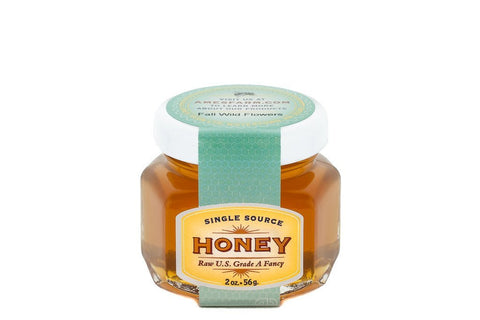
Raw Single Source Honey

Ames Farm is nationally recognized for producing Single Source Honey, which we define as raw honey from one location, one hive, and one time period. Our raw honey is all natural, produced in Minnesota by our own honeybees, and contains no additives, flavoring, coloring, or blending.
Explore Top Varieties of Ames Farm Single Source Honey
Each jar of Ames Farm Single Source Honey captures a specific place and moment in the Minnesota honey season. The location, hive number, floral source, and harvest period are displayed on every label, creating a traceable and authentic raw honey experience unlike mass produced honey.
These rare and distinctive honey varieties showcase how different floral sources, seasons, weather patterns, and landscapes shape the flavor, aroma, texture, and color of raw honey.

Dutch Clover Honey
Dutch Clover Honey is one of the classic Minnesota honey varieties produced during the summer nectar flow. This raw honey is known for its smooth sweetness, light floral flavor, and clean finish that makes it especially popular for everyday use.

Honeydew Honey
Often called Forest Honey in Europe, Honeydew Honey is produced from tree sap exudations rather than traditional flower nectar. This darker raw honey features rich woodsy, malty, and mineral forward notes with a smooth semi sweet finish.

Basswood Honey
Basswood Honey is one of Ames Farm’s most recognized varieties and has earned multiple blue ribbon awards at the Minnesota State Fair. This floral raw honey offers delicate sweetness with subtle hints of lime and mint depending on harvest timing.
Why Single Source Honey Stands Out
Authenticity in Every Jar
Each jar of Ames Farm Single Source Honey represents the flavor of one hive during one specific harvest period. This preserves the true flavor characteristics created by seasonal nectar sources and Minnesota landscapes.
Diverse Flavor Profiles
Different flowers, weather patterns, and bloom periods create dramatically different honey flavors throughout the season. From light floral notes to darker earthy varieties, each honey offers its own tasting experience.
Pure Raw Honey
Our honey is raw and minimally filtered without blending or unnecessary processing. This helps preserve the natural enzymes, pollen, texture, aroma, and flavor found directly in the hive.

The Benefits of Single Source Honey
Every jar of Ames Farm Single Source Honey delivers a unique snapshot of Minnesota nectar flows, seasonal blooms, and raw honey craftsmanship.
Nutritional Value
Raw honey naturally contains enzymes, antioxidants, pollen, and trace nutrients that are often reduced during heavy commercial processing.
Culinary Versatility
Different honey varieties pair beautifully with tea, coffee, cheese boards, baking, yogurt, meats, fruit, and savory recipes.
Sustainable Beekeeping
Supporting Single Source Honey helps support local beekeeping, pollinator health, and sustainable honey production in Minnesota.
Exceptional Freshness
Each jar is harvested from individual honey supers during peak nectar flows to preserve freshness and flavor integrity.

How Ames Farm Single Source Honey Is Made
At Ames Farm, producing Single Source Honey requires carefully separating and preserving the unique honey produced by each hive during specific nectar flows throughout the Minnesota season.
Each honey super is harvested and extracted individually rather than blended into large commercial tanks. This preserves the distinct characteristics created by weather conditions, floral sources, hive strength, and location.
Our honey is bottled raw without excessive heating or additives to preserve the natural flavor, texture, aroma, and qualities that make each batch unique.
Why Raw Single Source Honey Makes a Unique Gift
Most people have only experienced blended grocery store honey. Ames Farm Single Source Honey introduces an entirely different experience with floral varieties that showcase the complexity and diversity of raw honey.
From light floral honeys to bold earthy varieties, each jar provides a tasting experience connected to a specific Minnesota landscape and nectar flow.
Our Single Source Honey Sampler Packs are especially popular for gifting because they allow people to explore multiple flavor profiles while learning how dramatically honey can change from season to season.

Discover the Ames Farm Difference
Every jar of Ames Farm Single Source Honey reflects our commitment to transparency, raw honey quality, and sustainable beekeeping.

High Quality Raw Honey
Our honey is never heavily processed or blended, helping preserve its natural flavor, aroma, enzymes, and floral character.

Transparency You Can Trust
Each jar includes detailed harvest information including floral source, hive number, location, and seasonal timing.

Sustainable Beekeeping
We prioritize honeybee health, pollinator support, and sustainable hive management throughout our Minnesota apiaries.

The Journey of a Bee to Your Jar
Honeybees may visit millions of flowers to produce a single season of honey. Each nectar source contributes to the flavor, aroma, and color of the finished honey harvested from the hive.
At Ames Farm, we work to support healthy bee populations by maintaining diverse forage opportunities and practicing careful seasonal hive management throughout Minnesota.
Choosing Ames Farm honey supports pollinator awareness, sustainable beekeeping, and a deeper appreciation for the remarkable work performed by honeybees throughout the growing season.
Frequently Asked Questions About Ames Farm Single Source Honey
Learn more about raw honey, floral varieties, crystallization, and what makes Single Source Honey unique.
What is Single Source Honey?
Single Source Honey comes from one hive, one location, and one specific time period. Instead of blending honey from many hives and harvests together, Ames Farm keeps each honey super separate during extraction and bottling. This allows every jar to preserve the distinct flavor, aroma, texture, and floral character created by seasonal nectar sources, weather patterns, local landscapes, and bloom timing throughout Minnesota.
How is Ames Farm honey different from store bought honey?
Many grocery store honey products are heavily blended, ultra filtered, imported, or processed to create a uniform flavor and appearance year round. Ames Farm Single Source Honey is harvested and bottled in small batches without blending large quantities together. This preserves the individuality of each floral source and creates a more authentic raw honey experience with significantly more flavor variation and transparency.
Is your honey raw and minimally processed?
Yes. Our honey is bottled raw with minimal filtering to help preserve natural pollen, enzymes, aroma, texture, and floral flavor. We avoid excessive heating or heavy commercial processing that can reduce many of the natural characteristics found in raw honey directly from the hive.
Why does raw honey crystallize?
Crystallization is a completely natural process in raw honey and is often a sign of minimal processing. Different floral sources crystallize at different rates depending on their natural glucose and moisture content. Some varieties remain liquid for long periods while others naturally become creamy or solid much more quickly.
How should I store raw honey?
Raw honey is best stored at room temperature in a sealed container away from excessive heat, moisture, or direct sunlight. Refrigeration is not recommended because cooler temperatures can accelerate crystallization. If your honey crystallizes and you prefer a smoother texture, gently warm the jar in warm water rather than microwaving it.
Why do different honey varieties taste so different?
Honey flavor depends entirely on the nectar source collected by the bees. Different flowers, trees, shrubs, and seasonal nectar flows contain unique sugars, minerals, moisture levels, and aromatic compounds that dramatically affect the finished honey. Some honeys are light and floral while others may taste earthy, herbal, fruity, buttery, minty, or even caramel like.
Does each harvest taste exactly the same every year?
No. Seasonal weather conditions, rainfall, temperatures, bloom timing, soil conditions, and nectar availability all influence the flavor and color of each year’s honey harvest. Even the same floral variety may taste slightly different from year to year depending on environmental conditions throughout the season.
What information is included on the honey labels?
Each jar label includes detailed harvest information including the floral source, hive number, harvest timing, and location where the honey was produced. This traceability is a major part of the Ames Farm Single Source Honey process and helps preserve the connection between the honey, the bees, and the Minnesota landscape where it was made.
Can I use Single Source Honey for cooking and baking?
Yes. Many people use our honey in tea, coffee, charcuterie boards, marinades, yogurt, oatmeal, sauces, baking recipes, and desserts. Different floral varieties pair especially well with different foods, making Single Source Honey a popular ingredient for both everyday use and specialty cooking.
Why does Ames Farm keep honey separated instead of blending it?
Keeping honey separated allows each jar to preserve the unique characteristics created by a specific hive, location, and nectar flow. Blending large quantities of honey together creates consistency, but it also removes much of the individuality and seasonal variation that makes raw honey interesting. Ames Farm was founded around the idea that honey should reflect the diversity of the landscape and the natural work of the bees.