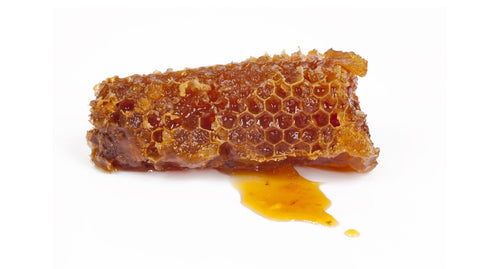

Honeycomb often sparks curiosity the moment people see it. Its geometric shape, golden glow, and raw connection to the hive make it feel almost too special to eat. Many people wonder whether honeycomb is edible, how it is used, and whether it offers benefits beyond regular honey.
The short answer is yes, you can eat honeycomb. In fact, honeycomb is one of the purest ways to enjoy honey exactly as bees make it. From its texture to its nutritional value, honeycomb offers a unique experience that goes far beyond squeezing honey from a bottle.
This guide covers everything you need to know about eating honeycomb, including what it is, how to eat it, its benefits, and what to expect when trying it for the first time.
What Is Honeycomb?
Honeycomb is the natural structure bees create inside the hive to store honey, pollen, and larvae. Bees produce beeswax from glands on their bodies and shape it into perfectly aligned hexagonal cells. These cells are then filled with honey and sealed with a thin wax cap once the honey is ready.
When honeycomb is harvested for eating, it typically contains raw, unfiltered honey sealed inside edible beeswax. Nothing is removed or processed. The honey stays exactly as it was in the hive, which is why many people consider honeycomb the most natural form of honey available.
Unlike liquid honey, honeycomb includes both the honey itself and the wax structure that holds it. This combination creates a texture and flavor experience that is completely unique.
Is Honeycomb Safe to Eat?
Honeycomb is completely safe to eat for most people. Both the honey and the beeswax are edible. Beeswax is not digestible in the same way food is, but it is safe to chew and swallow in small amounts.
Many people choose to chew the honeycomb much like gum. The honey is released as you chew, and the remaining wax can be swallowed or discarded, depending on personal preference.
As with any honey product, honeycomb should not be given to children under one year of age due to the risk of botulism. People with severe pollen or bee related allergies should also consult a healthcare professional before consuming honeycomb.
What Does Honeycomb Taste Like?
Honeycomb tastes like honey, but often with more complexity. Because it is raw and unfiltered, the flavor can vary depending on the flowers the bees visited. Some honeycomb tastes light and floral, while others are richer, darker, or slightly herbal.
The beeswax itself has a mild, neutral flavor that complements the sweetness of the honey without overpowering it. The texture adds to the experience, creating a pleasant contrast between liquid honey and soft wax.
Many people are surprised by how enjoyable honeycomb is to eat, especially when paired with other foods.
How Do You Eat Honeycomb?
There is no single correct way to eat honeycomb. It can be enjoyed on its own or paired with a variety of foods.
One of the simplest ways to eat honeycomb is to cut a small piece and enjoy it by itself. This allows you to experience the full flavor and texture without distraction.
Honeycomb also pairs beautifully with cheese. Soft cheeses, aged cheeses, and creamy spreads all benefit from the natural sweetness of honeycomb. Placing a piece of honeycomb on a cheese board instantly elevates the presentation and flavor.
Another popular option is to serve honeycomb with toast, crackers, or warm bread. As the honey gently melts, it spreads naturally while the wax adds texture.
Honeycomb can also be added to yogurt, oatmeal, or fruit bowls for a natural sweetener with visual appeal.
Do You Swallow the Wax?
This is one of the most common questions people ask about honeycomb. The answer is that it is entirely up to you.
Beeswax is edible and safe to swallow in small amounts, but it is not easily digested. Many people prefer to chew the honeycomb to release the honey and then spit out the remaining wax.
Others enjoy swallowing small pieces of wax along with the honey. Both approaches are normal and safe. The key is to listen to your own preference and comfort level.
Health Benefits of Eating Honeycomb
Honeycomb contains raw honey, which retains naturally occurring enzymes, antioxidants, and trace nutrients that are often reduced during processing.
Raw honey has long been valued for its soothing properties, particularly for sore throats and coughs. Some people also use it as a natural energy source or as part of a balanced diet.
Because honeycomb is minimally processed, it provides a closer connection to these natural properties. The beeswax itself may contain small amounts of pollen and propolis, which are believed to offer additional benefits.
While honeycomb should not be considered a medical treatment, many people appreciate it as a wholesome and traditional food.
How Is Honeycomb Different from Regular Honey?
The main difference between honeycomb and liquid honey is processing. Liquid honey is typically extracted from the comb and strained, while honeycomb remains intact.
Honeycomb offers a more immersive experience. You see the structure bees create, taste the honey exactly as it was stored, and enjoy a texture that bottled honey cannot provide.
For people interested in food origins and traditional practices, honeycomb offers a deeper appreciation of beekeeping and the work of bees.
How Should Honeycomb Be Stored?
Honeycomb should be stored at room temperature in a sealed container. Like honey, it does not require refrigeration.
Keep honeycomb away from direct heat or sunlight to preserve its texture and flavor. If stored properly, honeycomb can last for months without spoiling.
Over time, honeycomb may crystallize. This is natural and does not mean the honey has gone bad. Many people enjoy honey in its crystallized form.
Is Honeycomb Sustainable?
Honeycomb production reflects the natural rhythms of the hive. When sourced from responsible beekeepers, honeycomb supports sustainable practices and pollinator health.
Purchasing honeycomb from ethical producers helps support beekeeping efforts that prioritize the well being of bees and the environment.
Conclusion: Should You Try Honeycomb?
If you enjoy honey and appreciate natural foods, honeycomb is absolutely worth trying. It offers a flavor, texture, and experience that bottled honey simply cannot replicate.
Whether enjoyed on its own, paired with cheese, or shared with friends, honeycomb brings a sense of tradition and authenticity to the table.
If you are looking for high quality, thoughtfully produced honeycomb, Ames Farm offers raw honeycomb and honey products that celebrate ethical beekeeping and exceptional flavor.
Explore Ames Farm today and experience honeycomb the way nature intended.